Get Marketing Insights First
Subscribe to receive actionable strategies, growth tips, and industry insights delivered straight to your inbox.

Turn the questions your customers ask into useful articles, clearer website copy, and campaigns with a consistent voice. Start with what you know. Give your audience a reason to keep reading.
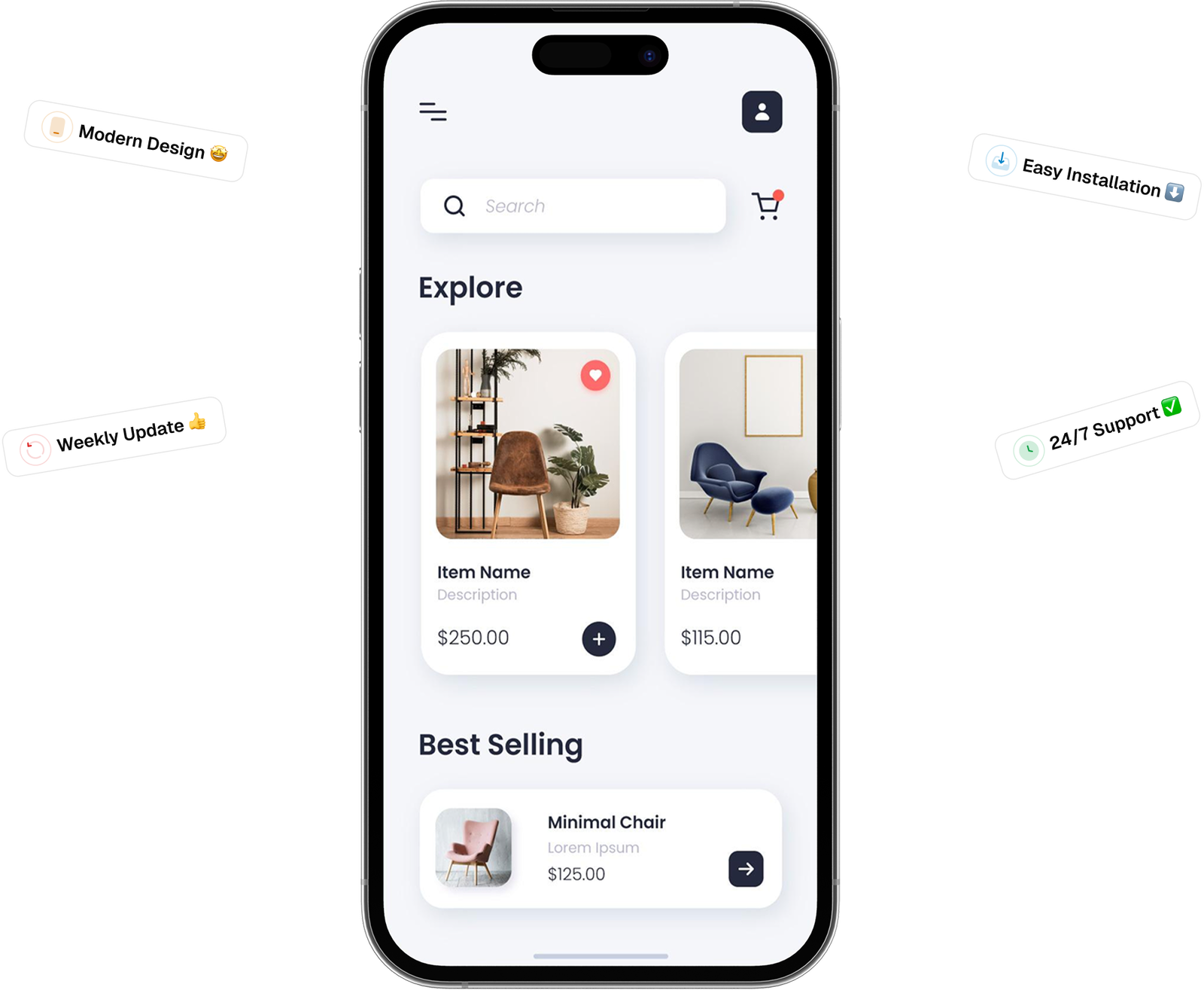
Illustrative interface · creative reference, not an Auxly app
A connected editorial plan, thoughtful writing, and a voice your audience recognises.

Useful questions, thoughtful collaboration, and a clear purpose for every piece.
Talk through your ideaA question from a sales call. An explanation your team gives every week. A common mistake you help customers avoid. We turn that knowledge into an editorial direction, then choose the formats that make it useful to your audience.
Start with the audience, the questions they ask, and the expertise you already have. Set a small number of editorial themes and give every piece a clear role in the customer journey.
Agree on formats, priorities, and a practical review rhythm. Your plan should fit the people who will help create and approve the work.
Give each piece one useful job. Build a clear structure, bring in your subject knowledge, and write in language your audience understands. Specific examples do more work than broad promises.
Review drafts with your team, refine the message, and keep the voice consistent. AI can support the process; accuracy and final judgement stay with people.
Look at what the content helps people understand and do. Review the agreed signals, collect questions from your team, and decide what deserves a clearer explanation or a new format.
Refresh useful material as your business changes. Build on strong ideas so each round of content benefits from what you learned before.

Illustrative imagery · not a client or team endorsement
Bring your ideas, existing material, and the questions you hear most. We’ll help turn them into a focused editorial direction.
Illustrative content briefs, built around useful answers rather than a publishing quota.

Explain the options, show the tradeoffs, and help your reader decide what matters.

Connect the language your audience uses with a thoughtful explanation of the topic.

Turn a detailed explanation into an email, a practical tip, and a focused conversation.
Five questions that keep the work useful, clear, and connected to your business.
Begin with a question your audience actually needs answered. Sales calls, service conversations, and subject experts are useful places to listen.
01 / Audience needs
Give the piece one clear job: explain, compare, reassure, or guide. Choose a useful next step before adding another paragraph.
02 / Editorial direction
Use language your team would say out loud. Keep the details specific to your business, and let your expertise give the writing its character.
03 / Brand consistency
Check claims, examples, and practical details with the people who know the work. Treat AI-assisted drafts as material to review and refine.
04 / Human judgement
Notice the questions that remain, the ideas worth developing, and the content that needs updating. Let the next round build on this one.
05 / Ongoing refinement